Pre-Owned Concrete Batching Plant Buying Guide: Everything You Need to Know
June 2026 | 9 min read | Buying Guide
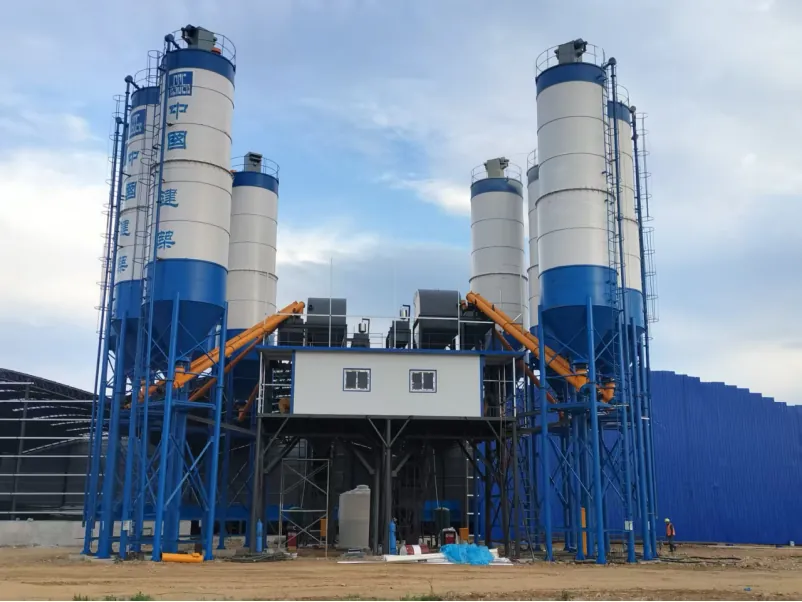
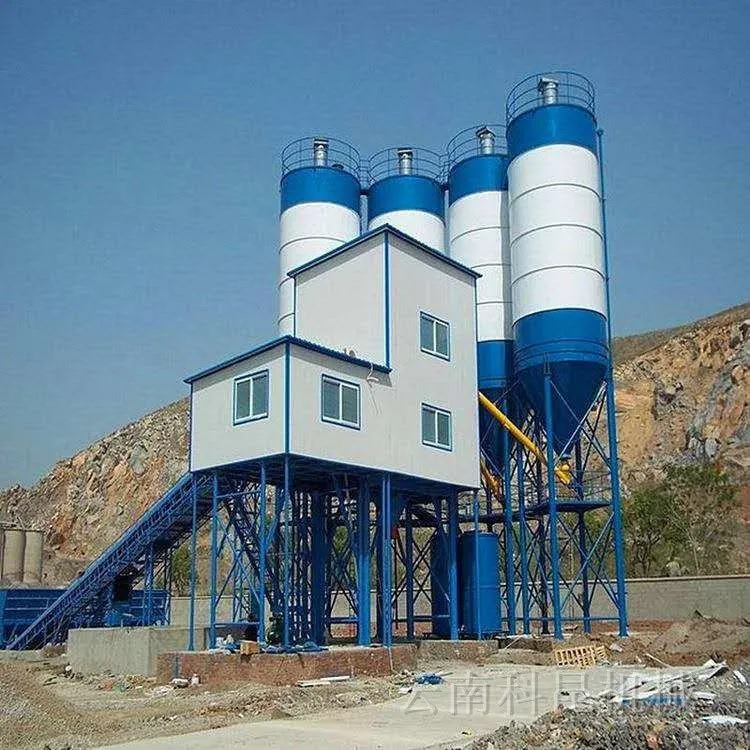
Is a Used Plant the Right Choice?
A used batching plant can save 40-60% versus new — attractive for startups and contractors with tight budgets. But the hidden risks are real: worn mixers, inaccurate weighing systems, corrosion, and undocumented modifications. The key is knowing what to inspect before you commit.
Where to Find Used Plants
Used plants appear through: B2B platforms (Alibaba, Made-in-China) with used equipment listings, plant relocation companies, equipment auctions, and word of mouth in the ready-mix industry. China is a major source of used plants being retired from domestic projects, often with many productive years remaining.
The Inspection Checklist
Before buying, inspect: mixer liners and blades (thickness remaining), weighing system accuracy (test with certified weights), hydraulic system leaks, electrical panel condition, structural steel corrosion, and the plant's actual production history. Ask for service records. If possible, run a test batch.
Verifying Age and Usage
Check the plant's serial number and manufacture date. Ask for the original invoice or export documents. Estimate actual usage hours from wear patterns — a plant that looks clean but has original liners may have run far more than claimed. Be suspicious of repainted plants hiding corrosion.
Shipping and Installation Costs
Factor in: dismantling cost, container loading, freight (a plant needs several containers), import duties in your country, and re-installation. For a used plant, total relocation costs can reach 20-30% of the purchase price — include this in your budget.
Negotiation Tactics
Used plant prices are negotiable. Use inspection findings as leverage: worn liners, dated control systems, and missing documentation all justify price reductions. Compare against new plant pricing to anchor your offer. Always negotiate on the basis of the inspection report, not feelings.
Warranty and Support Considerations
Used plants rarely include warranty. To protect yourself: ask the seller to include commissioning support, request documentation (drawings, manuals), and verify that spare parts for the specific model are still available from the manufacturer. A plant that cannot get spares is a liability, whatever the price.
What an Inspection Actually Checks
A used plant is priced on what it will cost to bring back to production, and the seller's description is not that number. An inspection covers four areas: the structure, the mixer, the electrical panel, and whether the machine is what it was sold as. The fourth is not cynicism — model numbers get confused, and a plant sold as an HZS90 with an HZS75 mixer inside is a machine that will never produce what you were promised.
The mixer is where the money is. Liner and blade wear is cheap and expected. A worn trough shell, a scored shaft, or a gearbox that has taken water are not. Look at the discharge gate: a gate that has been leaking is a gate whose seal has been changed repeatedly, which usually means the gate face is worn and the whole assembly needs attention.
Red flags and what they cost
| Red flag | What it usually means | Cost implication |
|---|
| Trough shell worn through or patched | Beyond liner wear, into the structure | Fabrication of the trough, not a part swap |
| Scored or bent mixer shaft | Bearing failure or overload history | Shaft replacement or full mixer rebuild |
| Gearbox with water or milky oil | Cooler or breather failure | Rebuild or replacement gearbox |
| Panel with modification on modification | Chasing faults nobody documented | Rewiring and often a new panel |
| Plant stored dismantled for years | Labelling lost, corrosion started | Reassembly becomes improvisation |
| Model does not match the mixer fitted | Misrepresented machine | Output never matches the promise |
What to Pay, and What to Avoid
A used plant in good order usually sells for 40 to 60 percent of the equivalent new price, depending on age and how much has been rebuilt. Below that range, expect to spend the difference on wear parts, electrical items and transport damage. Above it, you are often better off buying new with a warranty.
The deals worth avoiding are the ones where the seller cannot demonstrate the plant running, or where the plant has been standing dismantled for a long time. A machine that has not run for two years has problems that only appear on start-up, and a machine in pieces has already lost the labelling that makes reassembly possible.
Is buying a used batching plant a good idea?
It can be, when the machine is sound and you inspect it before paying. It is a bad idea when the plant cannot be demonstrated running or has been dismantled for a long time. The inspection costs a fraction of the purchase price and has talked more than one buyer out of a bad machine.
What percentage of new price should a used plant cost?
Typically 40 to 60 percent for a plant in good order. Below that, budget the difference for wear parts and electrical work. Above it, a new plant with a warranty usually makes better sense.
Can you inspect a plant before we buy it?
Yes. We check the structure, mixer wear, panel condition and whether the machine matches the model it is sold as, and we give you the assessment in writing rather than a verbal opinion.
Should we relocate it or buy new on site?
It depends on the machine's condition and the distance. A sound plant of moderate age is usually cheaper to move; a worn one is not, and the honest answer in that case is not to move it.
Need Help Choosing the Right Equipment?
Contact our team for expert advice and a competitive quote.
Get in Touch