Spare Parts Guide for Concrete Batching Plants: Essential Components & Procurement
Why Spare Parts Strategy Matters
A batching plant is only as reliable as its most vulnerable component. When a mixer liner wears through or a load cell fails, the whole plant stops. A well-planned spare parts strategy keeps your plant running and avoids emergency purchases at premium prices with long lead times.
Mixer Wear Parts
The mixer is the highest-wear area. Stock: liner plates (high-chromium alloy), mixing blades, arm assemblies, and seals. Wear rates depend on aggregate hardness — for abrasive aggregates, plan liner replacement every 6-12 months. Always keep one full set on hand.
Weighing System Components
Load cells and weighing indicators are precision components that must stay accurate. Keep spare load cells for each hopper position, plus a spare indicator. Calibration weights (certified) are needed for re-verification. Never buy generic load cells — match the exact model and capacity.
Pneumatic and Hydraulic Parts
Common failures include solenoid valves, pneumatic cylinders, air filters, and hydraulic hoses. Stock the valve and cylinder models used in your plant, spare FRL units, and a set of hydraulic hoses with fittings. Air system leaks are a common hidden cost — keep spare fittings and seals.
Electrical and Control Components
Keep spare contactors, relays, proximity switches, limit switches, and fuses. For PLC systems, stock spare I/O modules and a backup of the program. VFDs (variable frequency drives) are expensive but worth having one spare if downtime is costly for your operation.
Conveyor and Silo Parts
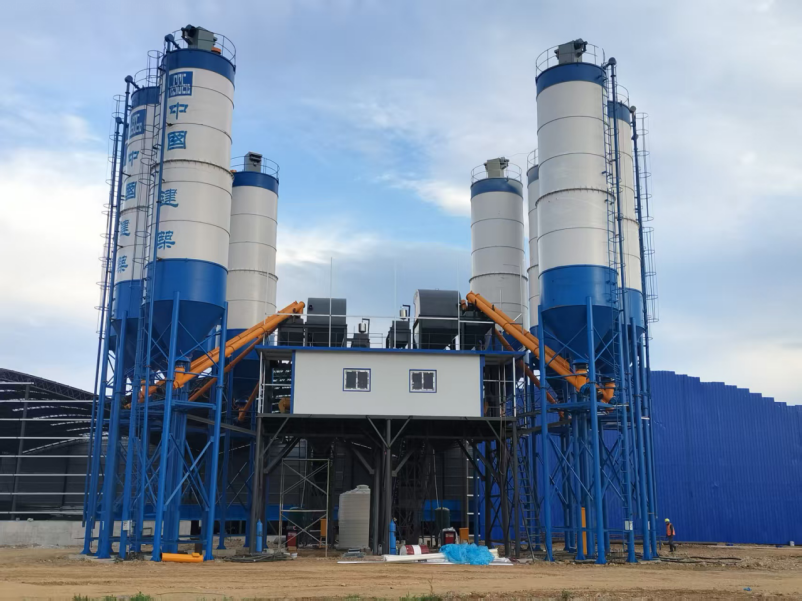
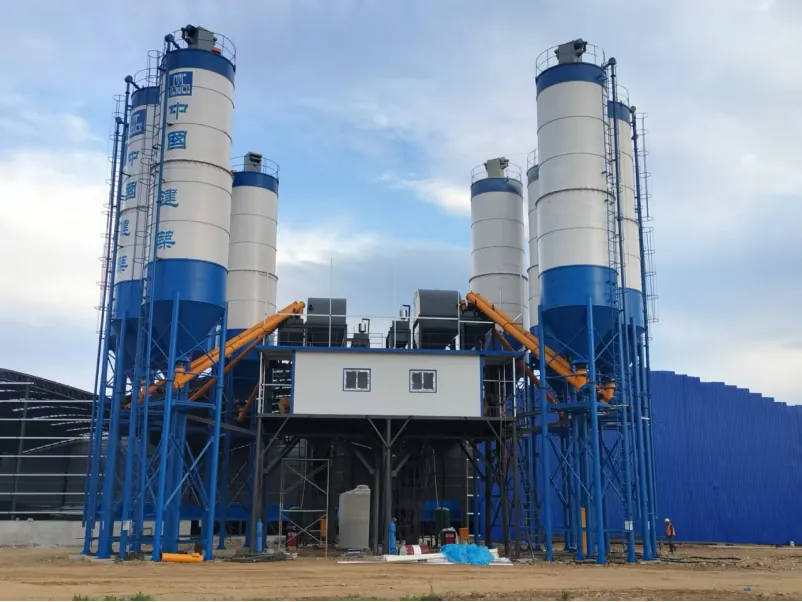
For belt conveyors: spare idler rollers, belt sections, skirting rubber, and a vulcanizing kit. For silos: level indicators, safety valves, and discharge valve spares. These parts wear predictably and can be scheduled.
Procurement Strategy
Buy spare parts with your initial plant order — manufacturers price spares more favorably when included in the original order, and you avoid later minimum-order problems. Establish a relationship with the manufacturer for priority support, and keep a documented parts list with OEM numbers so ordering is fast and error-free.