Concrete Batching Plant Maintenance Schedule & Cost Guide
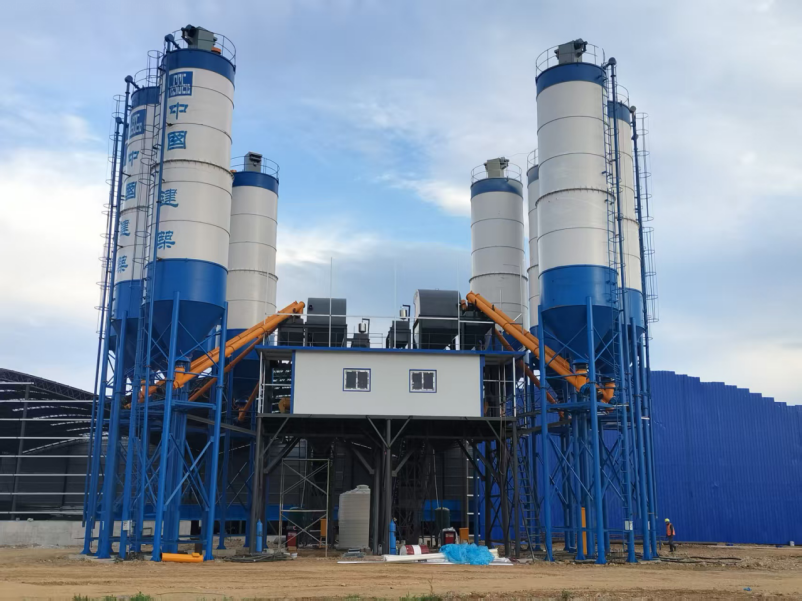
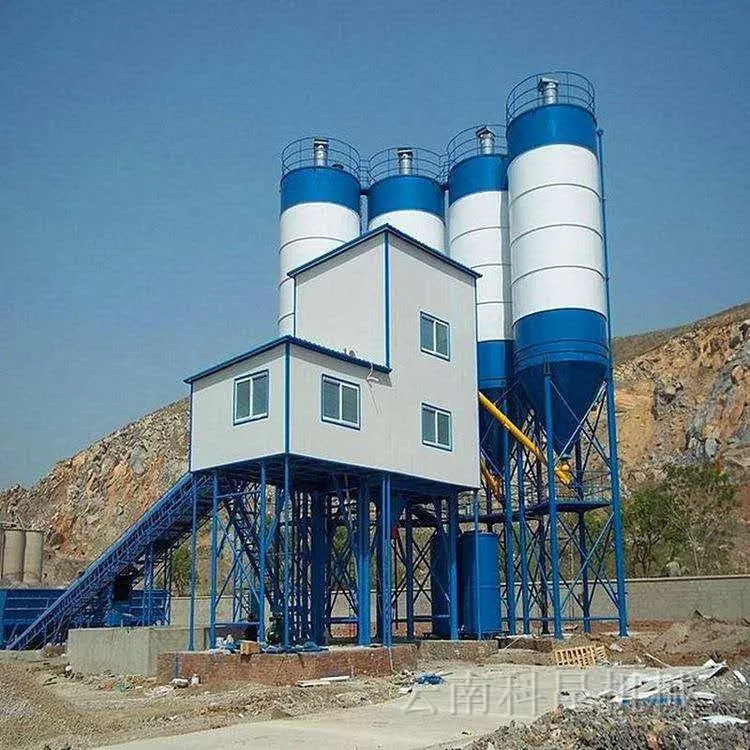
The Cost of Neglect
Concrete batching plants work hard: mixers run thousands of cycles, aggregate flows constantly, and weighing systems must stay accurate. Neglecting maintenance leads to breakdowns that cost far more than the maintenance itself — an hour of unplanned downtime on a 120 m³/h plant can lose hundreds of cubic meters of production.
Daily Maintenance Checks
Start each day with a 15-minute walk-around: check mixer liners and blades for wear, inspect belts for tracking and damage, verify all limit switches and safety devices, check for air leaks in pneumatic systems, and confirm the weighing system reads zero correctly. These checks catch most problems before they become failures.
Weekly and Monthly Maintenance
Weekly: lubricate all grease points per the manual, inspect conveyor rollers and idlers, check hydraulic oil levels, and clean air filters. Monthly: test all emergency stops, inspect electrical connections for loose terminals, verify calibration of all weigh hoppers, and check silo level indicators.
Annual Maintenance and Major Service
Once a year, schedule a major service: replace worn mixer liners and blades, service gearboxes, replace hydraulic hoses, recalibrate the complete weighing system, and inspect the structural steel for corrosion or fatigue. This is also the time for a full electrical panel inspection and software backup.
Estimated Maintenance Costs
Budget roughly 1-2% of the plant value per year for routine maintenance and wear parts. For an HZS120 valued at $100,000, expect $1,000-2,000 per year for consumables, plus an annual major service of $3,000-5,000 depending on local labor rates. Wear parts like mixer liners are the biggest recurring cost.
Extending Component Life
Simple habits extend life dramatically: keep aggregates clean and free of oversized rocks, ensure the mixer is never overloaded, use quality lubricants, and keep the plant clean — dust accelerates wear everywhere. Track component usage hours and replace wear parts on schedule rather than after failure.
Keep a Maintenance Log
Document every check, lubrication, and replacement. A maintenance log helps you spot patterns, plan budgets, and is valuable if you ever sell the plant. Many operators now use simple spreadsheet or app-based logs that track service intervals automatically.
Frequently Asked Questions
How much should I budget for batching plant maintenance?
Budget roughly 1-2 percent of the plant value per year for routine maintenance and wear parts. For an HZS120 valued at about $100,000, that means $1,000-2,000 per year in consumables, plus an annual major service of $3,000-5,000 depending on location.
What should be checked on a concrete batching plant every day?
Start each day with a 15-minute walk-around: check mixer liners and blades for wear, inspect belts for tracking and damage, verify all limit switches and safety devices, check for air leaks in the pneumatic system, and confirm the weighing system is working correctly.
What does the annual major service include?
Replace worn mixer liners and blades, service the gearboxes, replace hydraulic hoses, recalibrate the complete weighing system, and inspect the structural steel for corrosion or fatigue.
How do I extend the life of batching plant components?
Keep aggregates clean and free of oversized rocks, never overload the mixer, use quality lubricants, and keep the plant clean - dust accelerates wear everywhere on the machine.
Why should I keep a maintenance log?
A maintenance log lets you spot recurring patterns, plan your budget accurately, and adds real value if you ever sell the plant. Simple spreadsheet or app-based logs are standard practice now.