Batching Plant Foundation Requirements & Installation Preparation
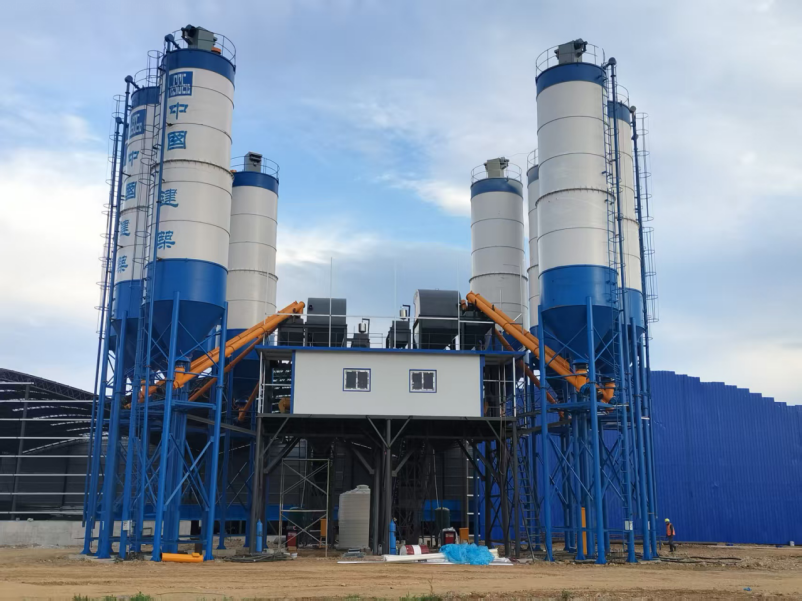
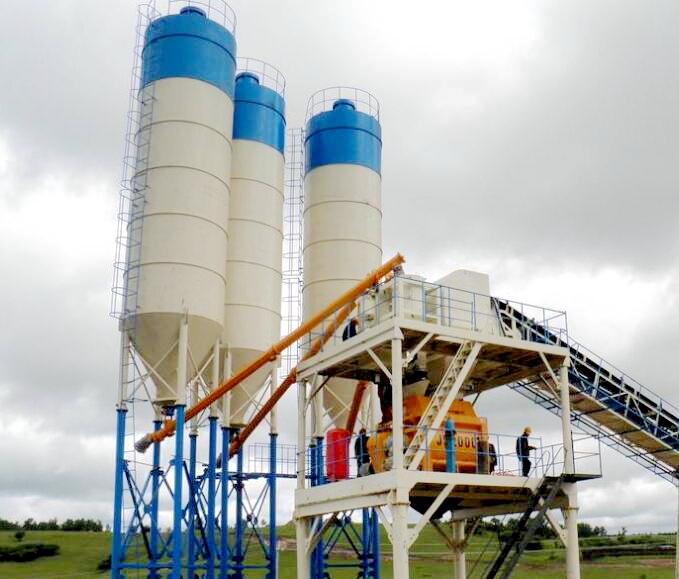
Why Foundation Preparation Matters
The foundation of your concrete batching plant is literally what everything else stands on. A poorly designed or hastily poured foundation causes misalignment, weighing inaccuracies, and structural problems that plague the plant for years. Proper preparation before delivery saves weeks of delays and thousands in rework.
Foundation Design Requirements
Your plant manufacturer provides a foundation drawing with the quotation. Typical requirements include: reinforced concrete pads under the mixer frame, aggregate bin, cement silo bases, and control room; soil bearing capacity verification; and anchor bolt templates matching the plant frame. The foundation must be level within tight tolerances — usually ±5 mm across the full footprint.
Site Layout Planning
Before pouring concrete, plan the full site layout: aggregate stockpile areas with drainage, cement silo locations with clearance for delivery trucks, mixer discharge height matching your mixer truck access, and space for the control room with a clear view of the batching process. Leave room for future expansion and for maintenance access around every component.
Electrical and Water Preparation
The plant needs a reliable three-phase power supply sized to the total installed power (for example, ~190 kW for an HZS120). Arrange the transformer and main breaker panel before the plant arrives. Water supply must meet both batching water quality and cooling needs. Compressed air systems for pneumatic components also need installation planning.
What to Prepare Before Delivery
In addition to the foundation, prepare: access roads for concrete mixer trucks and aggregate delivery, crane access for silo erection, storage for cement and admixtures, site security, and accommodation for the installation crew if the site is remote. Confirm that local permits and inspections are arranged in advance.
Working with Our Installation Team
When your plant arrives, our engineers supervise erection, alignment, and commissioning. To make the most of their visit, have your foundation ready, utilities connected, and a local crew available for labor. This typically allows installation to complete in 10-15 days for an HZS120, ready for trial production.